New Address: 897 N MacArthur Blvd, Ste 110, Coppell, TX 75019

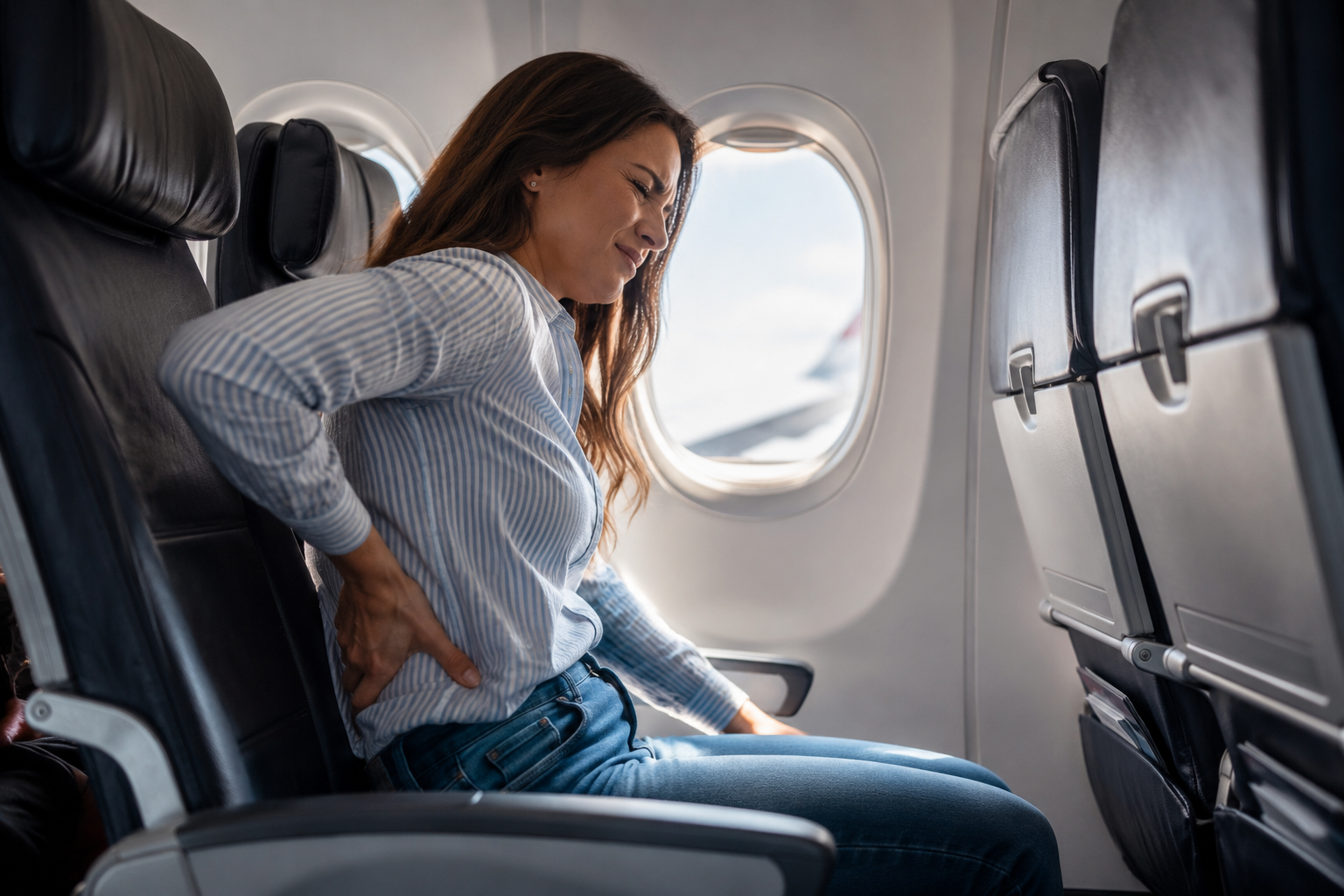



Summer is the season of road trips, family vacations, and long-distance travel. While these adventures can be enjoyable, spending hours in a car can be uncomfortable for people living with sciatica. Prolonged sitting may place additional pressure on the lower back and sciatic nerve, potentially leading to increased pain, numbness, or tingling. Understanding why this happens can help you take steps to stay comfortable and enjoy your summer travel plans.
Sciatica, also known as lumbar radiculopathy, occurs when the sciatic nerve becomes irritated or compressed. The sciatic nerve is the largest nerve in the body, running from the lower back through the hips and down each leg.
Common symptoms of sciatica include:
Symptoms may range from mild discomfort to persistent pain that interferes with daily activities.
Many patients wonder why sitting makes sciatica worse. The answer often involves a combination of factors.
When you sit for long periods, the discs and structures in the lower spine can experience increased pressure. For individuals with existing nerve irritation, this added stress may aggravate symptoms.
Remaining in one position for hours can cause the muscles in the lower back, hips, and buttocks to become tight. Stiff muscles may place additional strain on the affected area and make sciatica symptoms more noticeable.
Slouching in the driver's seat or sitting without proper support can place extra stress on the lower back. Poor posture may contribute to nerve irritation and discomfort during long drives.
Extended periods without movement reduce opportunities to relieve pressure on the spine and surrounding muscles, which can contribute to symptom flare-ups.
Summer vacations often involve longer road trips and more consecutive hours of sitting than usual. A full day of driving may be followed by sitting at restaurants, hotels, or other destinations.
In addition, many travelers jump into activities such as sightseeing, hiking, or recreational sports immediately after a long drive. This combination of prolonged sitting and sudden activity can further aggravate sciatica symptoms.
Knowing how to sit in a car with sciatica can make long drives more comfortable and may help reduce the risk of symptom flare-ups. Consider the following tips:
If symptoms develop during travel, there are several strategies that may help.
One of the best ways to relieve sciatica pain while driving is to stop every one to two hours when possible. A brief walk can improve circulation and reduce stiffness.
Simple stretches for the hips, hamstrings, and lower back may help ease tension and improve comfort.
Proper hydration supports muscle function and may encourage more frequent movement breaks.
If traveling with others, sharing driving responsibilities can reduce the amount of time spent continuously sitting behind the wheel.
Occasional discomfort after a long drive is common, but persistent symptoms may warrant further evaluation. Consider speaking with a pain specialist if you experience:
Treatment depends on the underlying cause of symptoms. Conservative approaches may include physical therapy, activity modification, and home exercise programs.
For some patients, interventional pain management treatments such as epidural steroid injections or other targeted nerve-related procedures may be recommended to help reduce pain and improve function.
Long hours of sitting during summer travel can aggravate sciatica symptoms, making road trips, vacations, and everyday activities less enjoyable. Fortunately, a combination of proper posture, regular movement, and appropriate treatment can help reduce discomfort and support a more comfortable travel experience.
At Apex Interventional Pain & Spine, we develop individualized treatment plans designed to address the underlying cause of sciatica and help patients achieve lasting relief. If lower back pain, leg pain, numbness, or tingling are interfering with your daily activities or travel plans, contact us today to schedule a consultation and learn about the treatment options available to help you get back to enjoying the activities you love.FAQs
Yes. Sitting for extended periods during a road trip can increase pressure on the lower back and sciatic nerve, which may contribute to pain, numbness, or tingling in some individuals.Maintaining good posture, supporting the natural curve of the lower back, and keeping your knees level with or slightly below your hips can help reduce strain during long drives.Many people with sciatica can travel safely by planning regular breaks, stretching periodically, and using proper seat support to minimize discomfort during the trip.Frequent movement, proper hydration, good driving posture, and avoiding prolonged periods of uninterrupted sitting may help reduce the risk of symptom flare-ups.If symptoms persist after your trip, become progressively worse, or are accompanied by significant weakness, numbness, or difficulty performing daily activities, it may be time to consult a pain specialist for evaluation.