New Address: 897 N MacArthur Blvd, Ste 110, Coppell, TX 75019



Chronic back pain can turn simple daily movements into a challenge, standing, bending, sitting for long hours, or even sleeping comfortably. For many people, medications and physiotherapy only offer partial or short-term relief. When pain continues despite conservative care, doctors may recommend a targeted, minimally invasive option called radiofrequency ablation for back pain.
This treatment focuses on interrupting pain signals at their source, offering longer-lasting relief without major surgery.
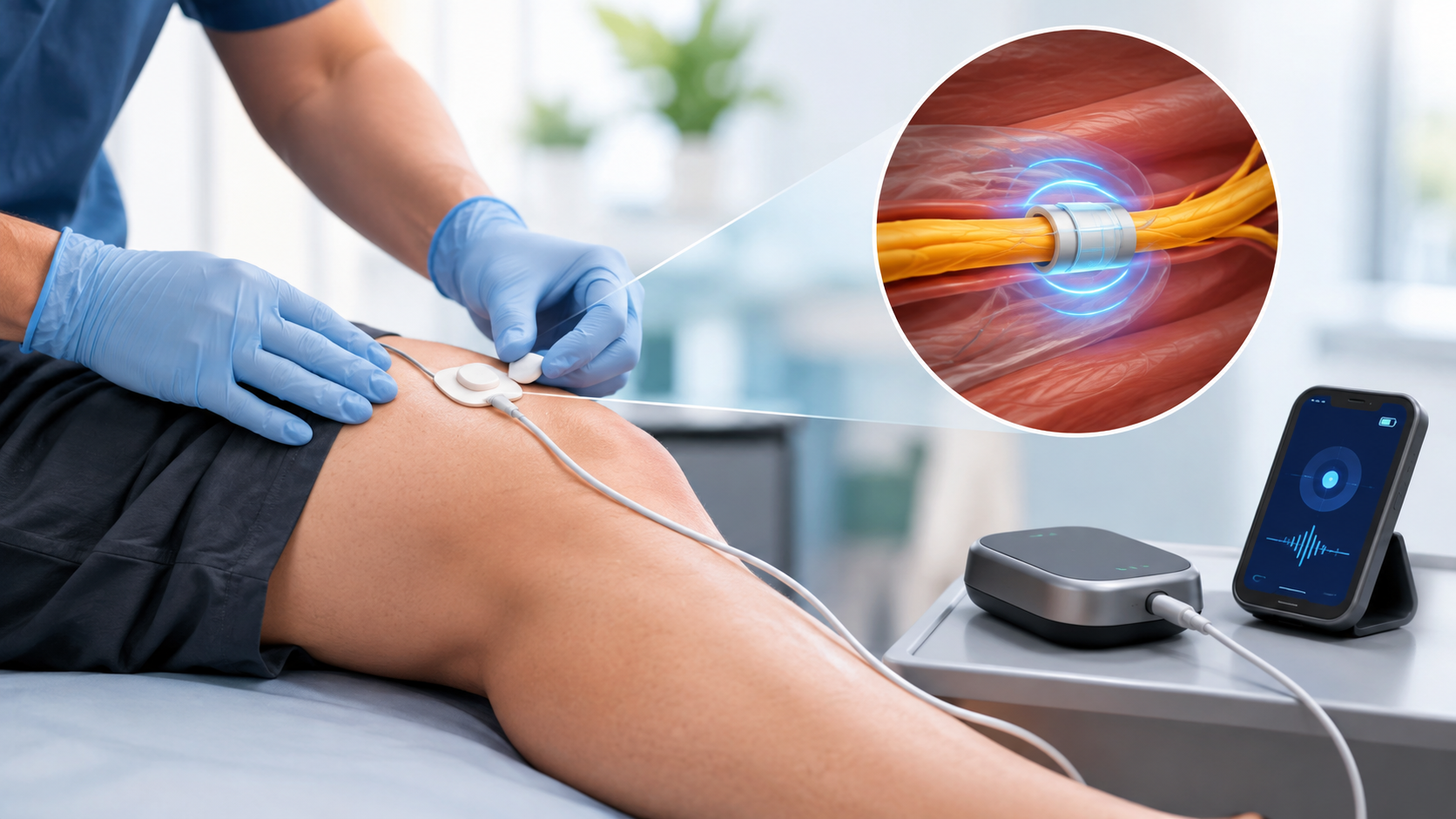
Radiofrequency ablation (RFA) is a medical procedure that uses controlled heat to disable specific nerves responsible for sending pain signals from the spine to the brain.
You may also hear it called:
It is most commonly used when pain originates from small joints in the spine rather than from a disc injury.
Unlike painkillers that mask symptoms, RFA focuses on interrupting the nerve activity causing the discomfort.
Radiofrequency ablation is usually done in a stepwise, precise manner.
Before the procedure, doctors often perform a nerve block using a small amount of anesthetic. If the pain reduces significantly, it confirms the targeted nerve is responsible.
The procedure focuses on the medial branch nerves, which carry pain signals from the facet joints in the spine.
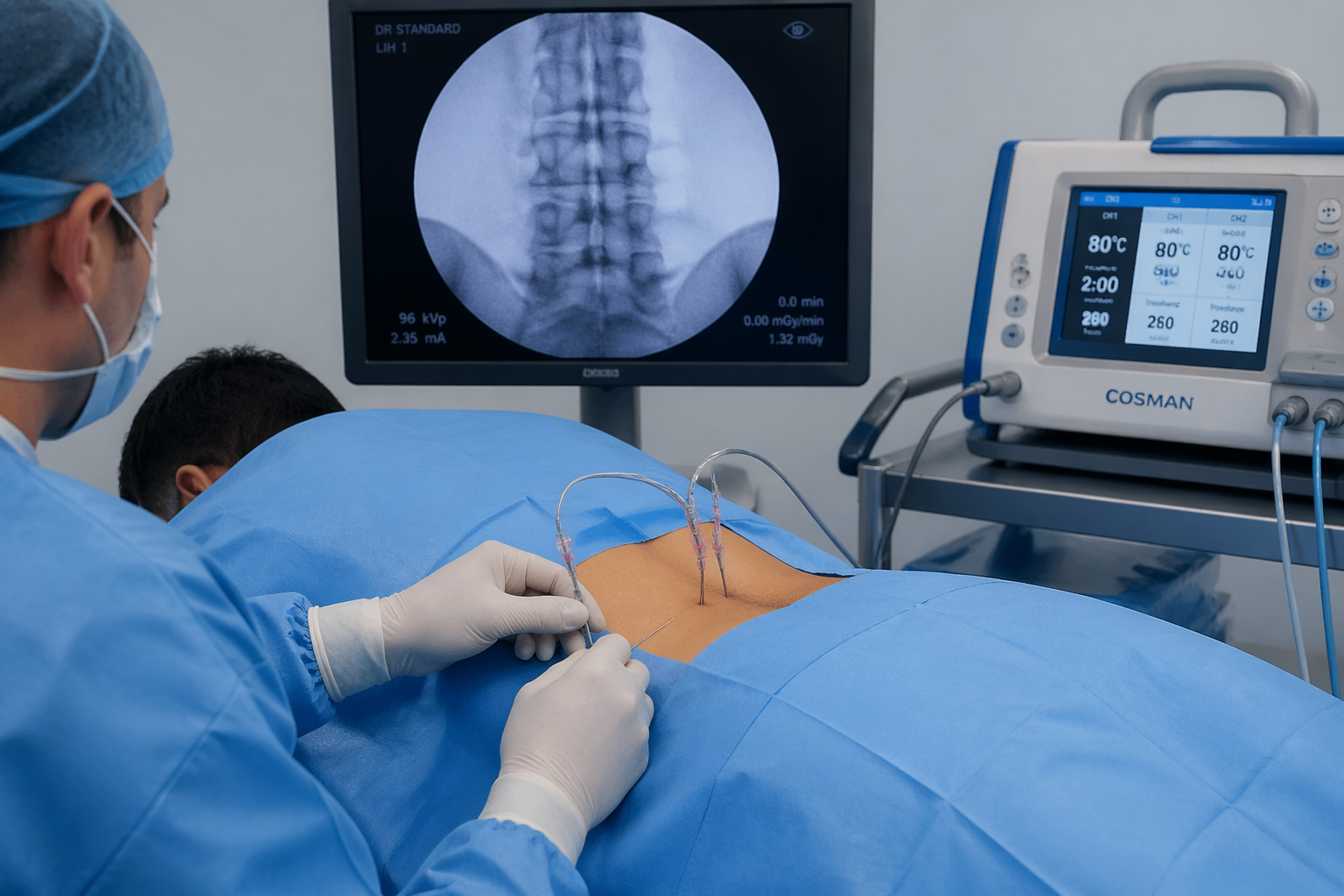
A thin needle is guided to the nerve using imaging. Controlled heat is then applied through radiofrequency energy to disrupt the nerve’s ability to send pain signals.
The goal is not to damage surrounding tissue but to specifically target the pain pathway.
RFA is typically recommended for patients who:
Doctors may suggest RFA instead of surgery when the pain is localized and clearly linked to facet joints rather than structural spinal damage requiring surgical correction.
Radiofrequency ablation is an outpatient procedure, meaning you go home the same day.
Most patients describe the experience as mildly uncomfortable rather than painful.
Recovery is generally quick compared to surgical options.
Most patients resume normal routines fairly quickly.
One of the most common questions is how long does radiofrequency ablation last.
Relief typically lasts between:
Why results vary:
If pain returns, the procedure can often be repeated after reassessment.
RFA offers several advantages for suitable patients:
For many people, it becomes a turning point in managing chronic spine-related pain.
While generally safe, RFA does carry some potential side effects:
Choosing an experienced pain specialist plays a key role in minimizing risks and improving outcomes.
Both treatments are used for back pain, but they work differently
Factor | RFA | Steroid Injection |
Mechanism | Disrupts pain nerves | Reduces inflammation |
Relief Duration | 6 - 18 months | Weeks to a few months |
Purpose | Long-term control | Short-term relief |
RFA is often considered when:
From a long-term perspective, many patients find it valuable because it reduces ongoing medication use and improves quality of life.
However, suitability depends on proper diagnosis and response to diagnostic nerve blocks.
It may be time to discuss RFA with a specialist if:
Radiofrequency ablation for back pain offers a targeted, minimally invasive way to manage chronic spine-related pain by interrupting the nerves responsible for sending pain signals. For the right patients, it can provide months of relief and reduce dependence on ongoing medication.
A proper diagnosis and specialist evaluation are essential before proceeding, especially when considering long-term treatment options.
Get targeted relief from chronic back pain with radiofrequency ablation at Apex Interventional Pain & Spine. This minimally invasive treatment helps reduce pain at the source so you can move better and live more comfortably.
Request your consultation today and take the first step toward lasting relief.FAQs
Your doctor may ask you to avoid eating or drinking for a few hours before the procedure and adjust certain medications if needed.Yes, it can also be used for neck pain, certain joint pains, and some nerve-related pain conditions.If there is no significant relief, your doctor may reassess the diagnosis or suggest alternative treatments.Most patients are advised not to drive immediately after RFA. Arranging transport is recommended.Yes, heavy lifting and intense physical activity should be avoided for a few days after the procedure.