New Address: 897 N MacArthur Blvd, Ste 110, Coppell, TX 75019

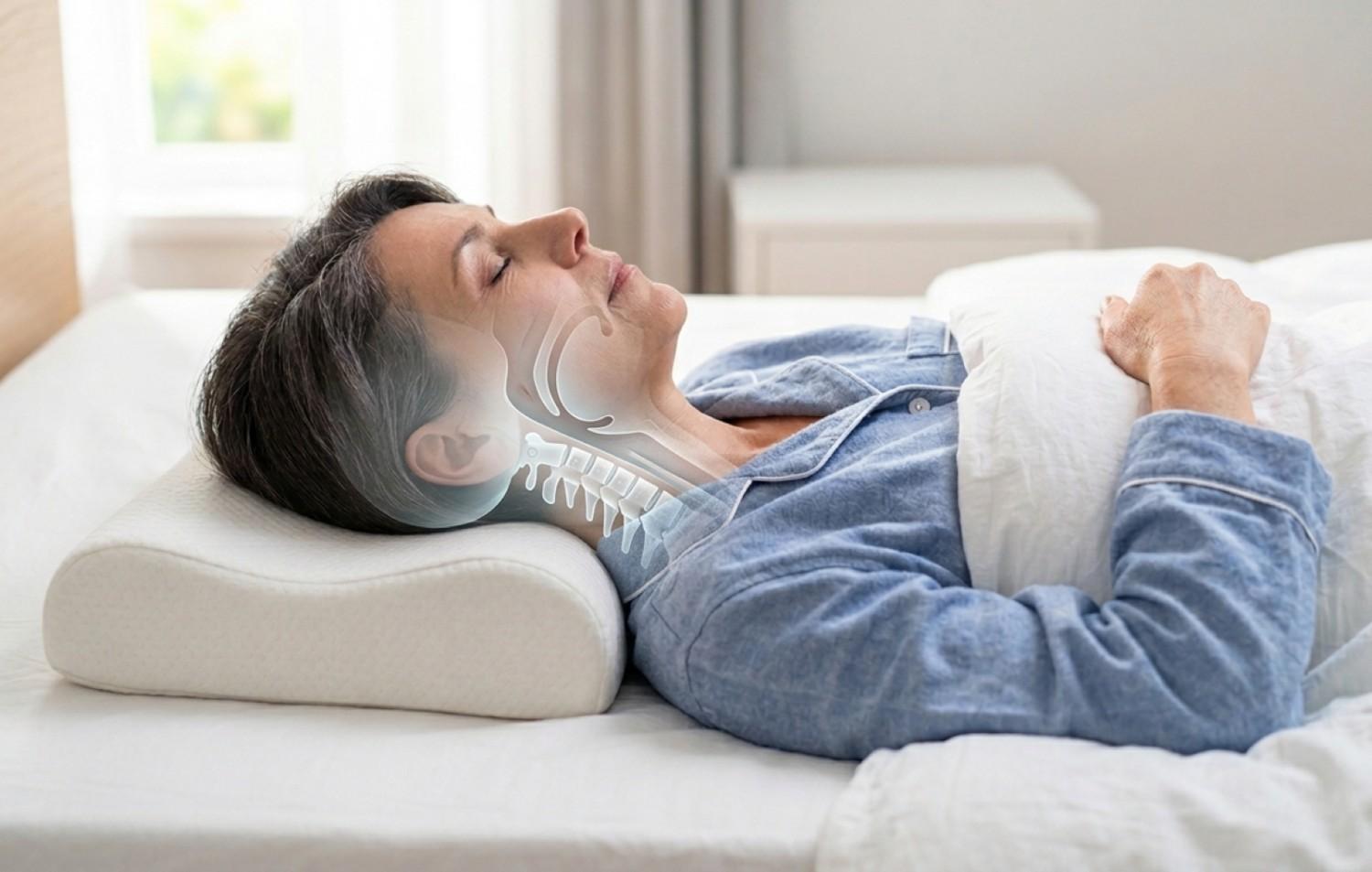
Many people struggle to describe herniated disc pain because it does not always feel the same from person to person. Some describe a deep ache, others feel sharp, shooting pain, and some experience strange sensations like tingling or burning. This variety often leads to confusion.
Herniated disc pain is frequently mistaken for common back pain or a simple muscle strain. While muscle pain usually stays localized and improves with rest, disc-related pain often behaves differently and may worsen with specific movements or postures.
Let’s explore what a herniated disc feels like at different stages, how pain patterns vary by location, and when symptoms may suggest nerve involvement.
Your spine is made up of bones called vertebrae, separated by soft discs that act as cushions. These discs absorb shock and allow your spine to move smoothly.
A herniated disc occurs when the soft inner portion of a disc pushes through a weakened or torn outer layer. When this happens, the disc material can irritate or compress nearby nerves, leading to pain and other symptoms.
A disc bulge and a disc herniation are not the same. A bulging disc remains intact primarily and may not press on nerves. In contrast, a herniated disc involves a tear that allows disc material to leak out, increasing the risk of nerve irritation.
Early symptoms of a herniated disc may start as a dull ache or pressure in the neck or back. Some people experience sudden, sharp pain, especially during bending, lifting, or twisting movements. Sitting for long periods often makes the pain worse.
Morning stiffness is common. You may feel tight or “locked” when trying to move, especially after waking up or sitting for a long time.
In the beginning, herniated disc pain often flares up and then settles down. Specific movements, postures, or activities may trigger discomfort, while others feel relatively pain-free.
Pain often starts near the problem area. This may be felt in the neck, upper back, or lower back, depending on the disc involved.
When a nerve is compressed, pain can travel away from the spine. This is why a herniated disc in the lower back may cause leg pain, while one in the neck may cause arm pain.
Nerve-related pain feels different from muscle pain. People often describe it as burning, tingling, pins-and-needles sensations, or sudden electric-shock sensations.
When changes in sensation or strength accompany pain, they may be the symptoms of a herniated disc.
These signs often indicate nerve compression and should not be ignored.
In the early stages, pain may be mild and intermittent. Over time, untreated disc problems can lead to increased nerve compression and more constant or intense symptoms.
Progression depends on several factors, including activity level, posture, and body mechanics. Poor lifting habits, prolonged sitting, and lack of movement can all contribute to worsening pain.
Specific symptoms require prompt medical evaluation, including:
These signs may indicate severe nerve involvement.
Doctors begin with a physical exam and a detailed symptom history. They assess strength, reflexes, sensation, and movement.
Imaging tests such as MRI scans help confirm the diagnosis. However, imaging findings must match symptoms, as not all disc changes cause pain.
Early evaluation is essential to prevent worsening symptoms. Avoid self-diagnosis, as back and nerve pain can have many causes.
Doctors often start with conservative care approaches before considering advanced options, depending on symptom severity and progression.
Herniated disc pain does not feel the same for everyone. While some people notice mild or occasional discomfort, others experience sharp, radiating nerve pain that affects daily activities. Recognizing early symptoms and understanding how pain patterns develop can help prevent symptoms from becoming more severe.
When pain persists, spreads into the arms or legs, or begins to affect strength and mobility, timely medical evaluation becomes especially important. Addressing disc-related issues early can reduce the risk of ongoing nerve irritation and long-term complications.
At Apex Interventional Pain & Spine, our team focuses on accurately identifying the source of your pain and guiding you toward appropriate care. If you are experiencing ongoing neck or back pain and suspect a herniated disc, contact us to schedule a professional evaluation and take the next step toward protecting your spinal health.FAQs
It varies. Some people improve within weeks, while others may experience symptoms for several months, depending on severity and nerve involvement.Yes. Some people feel more leg or arm pain than back pain, especially when nerves are involved.Yes. Poor sleeping posture can increase pressure on the spine and worsen symptoms.Prolonged sitting, bending, lifting, twisting, and poor posture often aggravate symptoms.A herniated disc is a common cause of a pinched nerve, but proper evaluation is needed to determine the exact source of nerve compression.