New Address: 897 N MacArthur Blvd, Ste 110, Coppell, TX 75019


Cervical radiculopathy happens when a nerve in the neck becomes irritated or compressed. This nerve irritation can cause pain that travels from the neck into the shoulder, arm, hand, or fingers. Some people also feel numbness, tingling, or weakness in the arm. Most people dealing with this condition want a clear answer. They want to know what treatment actually works, not just a long list of options. The goal is real relief, not temporary fixes.
The proper cervical radiculopathy treatment depends on several things. These include the cause of the nerve problem, its severity, and the duration of symptoms. Understanding these factors helps guide the best path to recovery.
The cervical spine is the upper part of the spine located in the neck. It contains bones, discs, joints, and nerves that connect the spinal cord to the arms and hands.
Cervical radiculopathy occurs when one of these nerve roots is compressed or inflamed. When a nerve is irritated, pain does not stay in one spot. Instead, it travels along the nerve’s path. This is why a neck problem can cause pain in the shoulder, arm, or fingers.
In addition to pain, people may feel tingling, numbness, or muscle weakness. The exact symptoms depend on which nerve is affected. Treating pain alone often does not work long-term. If the pressure on the nerve remains, symptoms usually return. True relief comes from addressing the source of the nerve irritation.
Knowing what causes cervical radiculopathy helps determine which treatment will work best.
A herniated disc occurs when a cervical disc bulges or ruptures, placing pressure on a nerve root. It is commonly seen in younger and middle-aged adults and frequently improves with non-surgical treatment.
This condition happens when the spaces in the spine narrow, placing pressure on nerves. It develops slowly and is more common with aging.
Arthritis can cause bone spurs that irritate nearby nerves. These cases may need more advanced treatment if symptoms continue.
Poor posture, long hours at a desk, and repeated neck movements can increase nerve stress. These factors often make symptoms worse over time.
Treating cervical radiculopathy without identifying the cause can slow recovery and lead to ongoing pain.
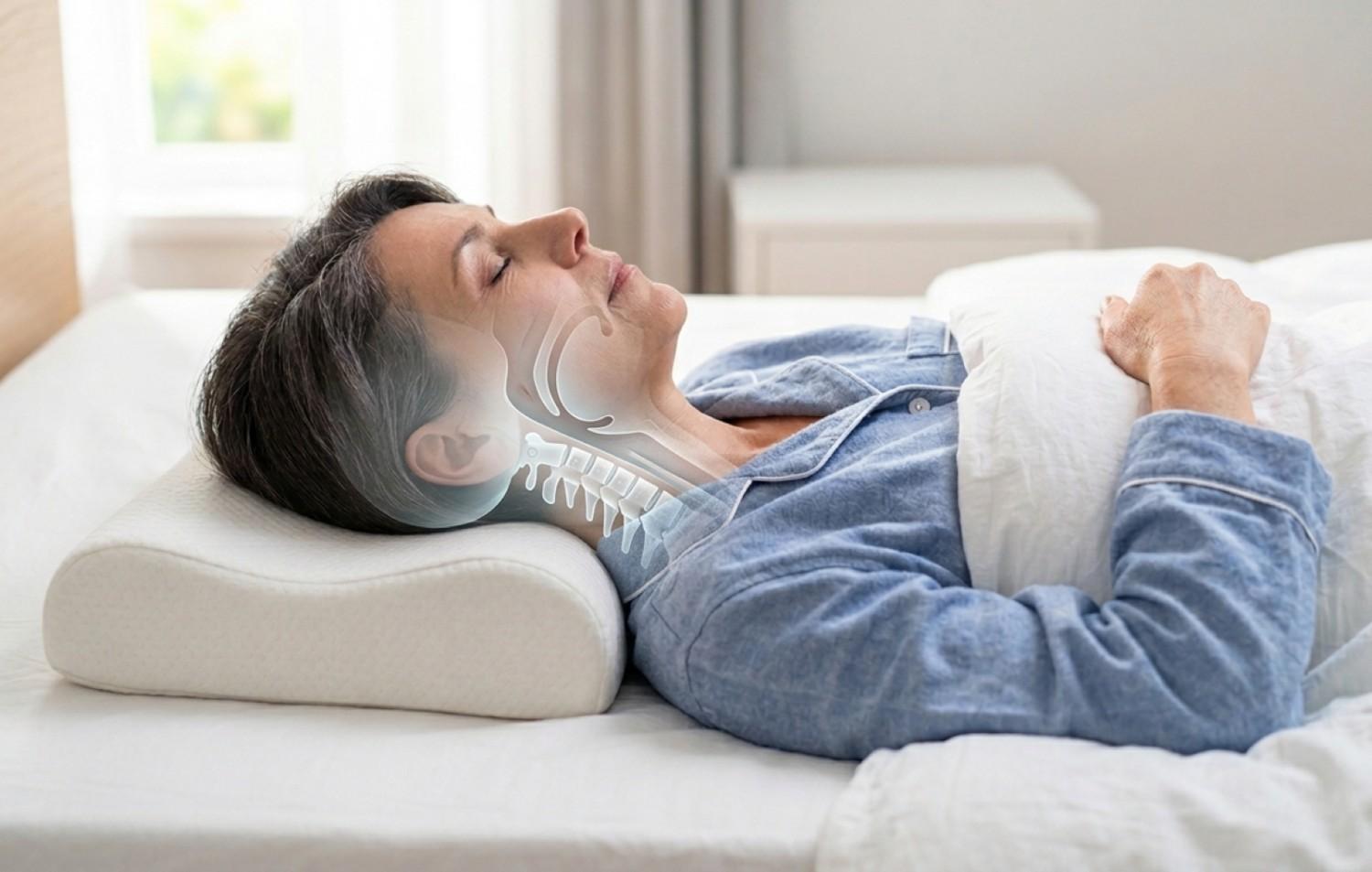
For many people, relief starts with simple daily changes. Reducing activities that strain the neck helps calm irritated nerves. Improving posture at work is essential. Screens should be at eye level, and chairs should support the lower back and neck. Sleep position also matters.
Using a supportive pillow and avoiding sleeping on the stomach can reduce nighttime pain. These adjustments are often the first step because they reduce ongoing nerve stress and allow healing to begin.
Exercises are used to improve movement, posture, and strength. They also help reduce pressure on the nerves when done correctly.
Exercises work best when pain is stable or improving. Starting too early or using poor form can increase symptoms. Guidance from a professional is often helpful.
This exercise helps correct forward head posture and reduce nerve compression. The movement involves gently pulling the head straight back while keeping the eyes forward.
Start with short holds of two to three seconds. Perform 10 to 15 repetitions, as long as arm pain does not increase.
Strong shoulder blade muscles support the neck and reduce strain on cervical nerves. Simple movements like shoulder blade squeezes help improve alignment.
Begin slowly and stop if symptoms travel further down the arm.
Physical therapy helps many people, but not everyone. Signs that progress has stalled include ongoing arm pain, worsening numbness, or increasing weakness after several weeks of care.
Specific symptoms need prompt evaluation. These include severe weakness, trouble with coordination, or pain that continues to worsen.
Ignoring persistent nerve pain can lead to long-term nerve damage. Early evaluation helps prevent complications.
When conservative care does not provide enough relief, interventional treatments may help. Anti-inflammatory medications can reduce pain and swelling for short periods. These are usually used during flare-ups.
Cervical epidural steroid injections place medication directly around the irritated nerve. This helps reduce inflammation and relieve pain. Injections are often helpful for people with confirmed nerve compression who have not improved with therapy alone.
Many patients start feeling better within four to eight weeks once proper treatment begins. Recovery may take longer if nerve compression is severe or has been present for a long time. Poor posture, smoking, and certain medical conditions can also slow healing.
Improvement usually happens in stages. Pain often decreases first, followed by better strength and sensation. Full nerve recovery can take several months.
Surgery is usually not the first option. It is considered when there is severe weakness, spinal cord involvement, or pain that does not improve with other treatments.
When surgery is needed, outcomes are often good. However, many patients find relief through early conservative and interventional care without surgery.
Successful treatment of cervical radiculopathy starts with understanding why the nerve is irritated. A precise diagnosis helps guide the most effective treatment and avoids unnecessary delays in recovery. At Apex Interventional Pain & Spine, our team is committed to helping patients find lasting relief through individualized care.
Early treatment can ease pain, improve daily function, and reduce the risk of ongoing nerve damage. Waiting too long may limit treatment options and prolong discomfort. If you have neck pain that travels into your arm or hand, contact us today to schedule an evaluation and take the next step toward relief.FAQs
Yes. Cervical radiculopathy is the medical term for a pinched or irritated nerve in the neck.It can cause headaches, especially when upper neck nerves are involved. Dizziness is less common but can occur.Many people notice worse symptoms at night due to poor sleeping posture or a lack of neck support.Yes. Sleeping on the stomach or using the wrong pillow can increase nerve pressure.Yes. Symptoms usually affect one side of the body, depending on which nerve is compressed.