New Address: 897 N MacArthur Blvd, Ste 110, Coppell, TX 75019




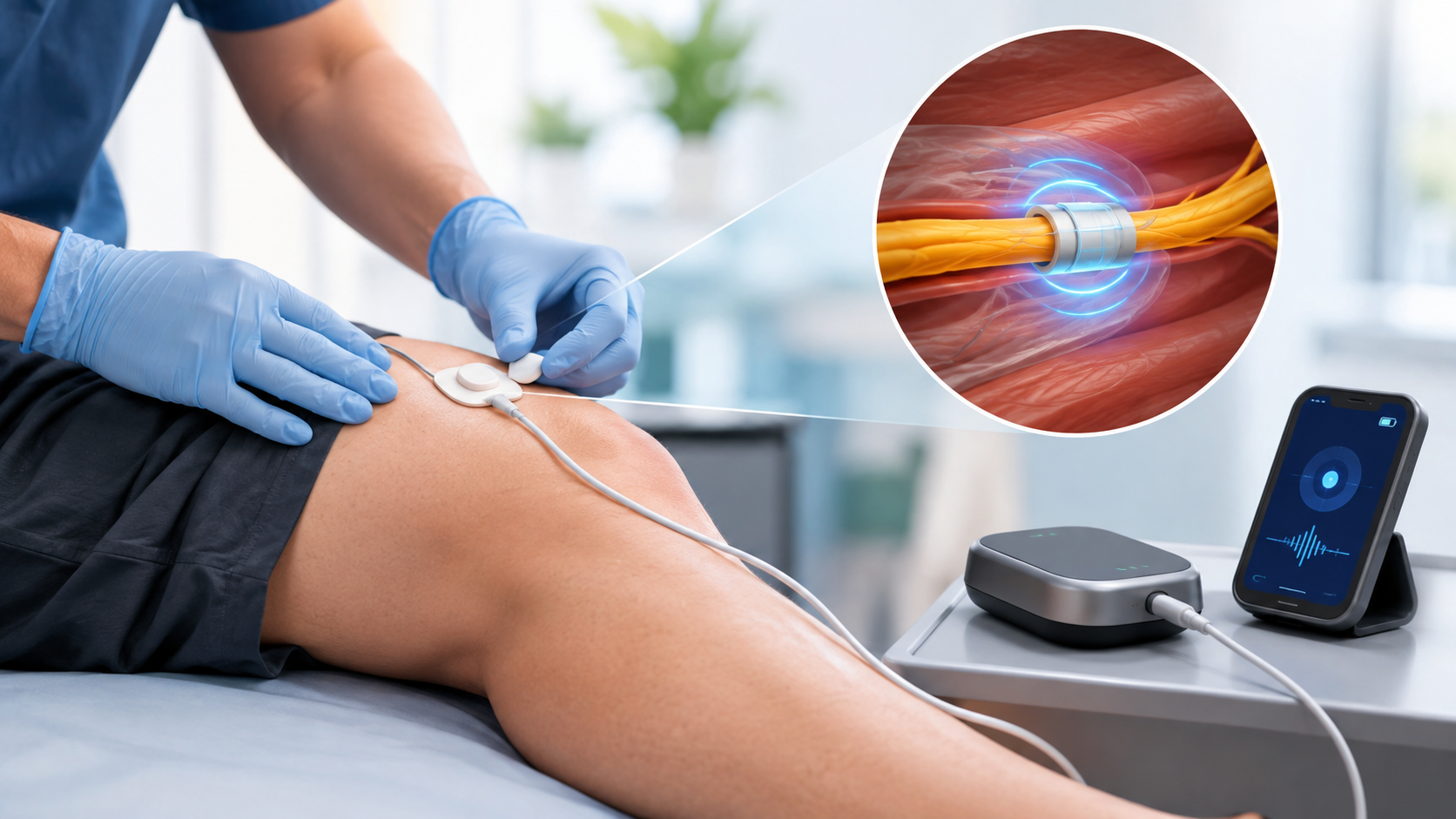
The injection is finished, and by the next morning your back or leg feels noticeably calmer. It is tempting to treat that as the finish line. In reality, it is closer to a starting line. When an epidural steroid injection provides temporary pain relief, physical therapy can help patients improve strength, mobility, and daily function during that period. Physical therapy is one of the most useful ways to spend it.
An epidural steroid injection places anti-inflammatory medicine in the space around irritated spinal nerves. It is commonly used for pain from a herniated disc, sciatica, or spinal stenosis. By calming inflammation, it can ease back and leg pain.
What it does not do is strengthen weak muscles, loosen stiff joints, or change the movement habits that strained your spine. Those jobs belong to rehabilitation, which is why the two work well together.
Relief usually builds gradually. Steroids typically begin working within one to three days, though full benefit can take up to a week. Many people enjoy several months of better comfort and function, and a lumbar epidural steroid injection can be repeated if it helps.
Results also depend on what is causing the pain. Leg and back pain from an irritated nerve often responds well. Pain that comes mainly from a stiff joint or tight muscle may respond less, and your doctor may suggest a different path.
That window of relief is not guaranteed to last forever, and it varies from person to person. The medicine eventually wears off, but strong, flexible, well-coordinated muscles keep supporting your spine long after it does.
The same idea applies to other injection types. Patients who have read about how effective caudal epidural steroid injections are for back pain will notice the same pattern: the injection quiets the pain, and active recovery builds the lasting benefit.
Most people go home the same day and return to normal activities by the next day. Your doctor's specific instructions come first, including how long to avoid heavy lifting, hard workouts, or deep twisting.
There is no single start date for therapy that fits everyone. Timing depends on the type of injection, how you responded, and your doctor's plan. Many people begin gentle walking within days, then start a guided program once cleared.
At the first visit, your therapist will ask when you had the injection, how your pain has changed, and which movements still bother you. Mention any tingling, leg weakness, or flare-ups. That detail helps them choose exercises that challenge you without overloading sensitive nerves.
When therapy begins, a good plan usually focuses on:
Research supports pairing the two. In a 2025 randomized trial of 62 people with a pinched nerve in the neck, those who did stabilization exercises after an epidural steroid injection showed better physical quality-of-life scores after one month than those who had the injection alone.
That study looked at the neck rather than the lower back, but the principle carries over: exercise after an injection can add to the benefit. A physical therapy program connected to your pain care team can adjust exercises to match how you feel.
The most common mistake is doing too much on a good day. Pain feels low, energy returns, and a long yard project or heavy workout follows. Increase activity gradually, and let your therapist guide how fast to progress.
Keep your home exercises going even when you feel great. They are the part of the plan that continues working after the medicine fades.
Pay attention to everyday triggers too. Long stretches of sitting can bring pain back, as explained in this post on why lower back pain gets worse after sitting. Standing up, walking, and changing position every so often helps.
Small daily habits add up as well. Short walks, a supportive chair, and a comfortable sleep position all reduce strain on irritated nerves. None of these is dramatic on its own, but together they protect the progress you have made.
Keep a simple note of your pain level each day. It gives your care team a clear picture of how long the relief lasts and whether a follow-up plan is needed.
Call your care team if the injection does not help at all or the relief fades quickly. That can mean the pain is coming from somewhere else, and a different approach may fit better.
Reach out promptly for fever, a severe headache, new weakness or numbness, changes in bladder or bowel control, or redness and swelling at the injection site.
An epidural steroid injection can quiet pain, but movement is what helps you keep that progress. Starting physical therapy at an appropriate time, gradually building strength, and following your care team's recommendations can support functional improvement after an epidural steroid injection. Think of the relief window as a chance to rebuild, not just to rest. Your care team can help you time each step, so the improvement you feel now turns into lasting strength.
Apex Interventional Pain & Spine serves patients in Coppell, Plano, McKinney, and Frisco. Request an appointment or call (972) 833-7246 to plan your recovery.FAQs
It depends on your injection and your doctor's plan, so follow your care team's timing.Most people resume normal activities the next day, but avoid heavy lifting or hard workouts until your doctor approves.Some people feel a temporary flare, but worsening pain, fever, or new weakness should be reported right away.Many people feel better for several months, though the length varies from person to person.Yes, therapy helps you hold on to the improvement by building strength and better movement habits.