loader

Now offering Primary Care services under Apex Primary Wellness! Schedule your visit today.

How to Relieve Upper Back Pain Fast: Effective Strategies That Work?

Jan 10, 2026

Back Pain

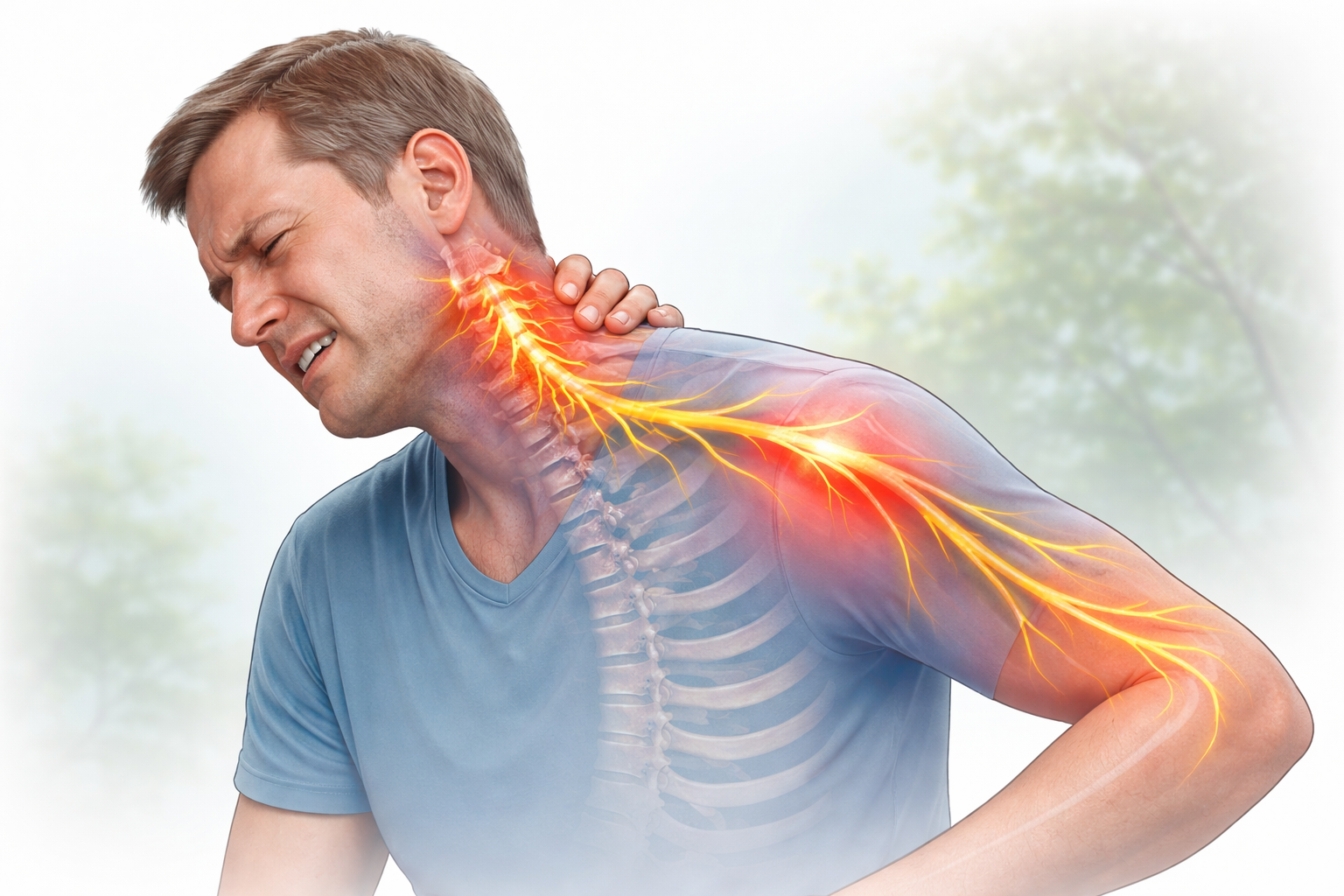
Upper back pain relief techniques including stretching, posture correction, and muscle relaxation exercisesUpper back pain relief techniques including stretching, posture correction, and muscle relaxation exercises

That tight, aching feeling between your shoulder blades can sneak up on you. It often starts after long hours at a desk, scrolling on your phone, or driving without much movement. At first, it feels manageable, but over time, the stiffness settles in, making simple things like turning your head, sitting comfortably, or even taking a deep breath uncomfortable.

Upper back pain is frequently ignored because it doesn’t always feel severe right away. Many people push through it, assuming it will go away on its own. When it doesn’t, they start looking for quick relief. In some cases, a healthcare professional may recommend a facet joint injection to reduce inflammation and pain in the spine. However, most upper back pain can be eased much sooner with simple, effective strategies you can do at home.

Let’s explore how to relieve upper back pain fast, improve mobility, and reduce the chances of the pain returning.

What Your Upper Back Pain Is Trying to Tell You?

Upper back pain rarely appears without a reason. It’s often your body’s way of signaling strain, imbalance, or overload.

The Most Common Reasons Upper Back Pain Starts

One of the most significant contributors is poor posture. Slouching, hunching over phones, and “tech neck” habits place constant stress on the muscles between the shoulder blades.

Sitting for long periods can also create muscle imbalances. When the chest and front shoulder muscles tighten while the upper back muscles weaken, tension builds quickly.

Stress also plays a significant role. Emotional stress often shows up physically as tight shoulders and a stiff upper spine. Add repetitive movements, such as lifting, typing, or overhead work, and the strain increases.

Upper Back Pain vs. Regular Back Pain: What’s the Difference

Upper back pain tends to feel tighter and more restrictive than lower back pain. It can limit how freely you move your shoulders and neck and may even affect your breathing. Many people notice discomfort when taking deep breaths, turning in bed, or reaching overhead, making daily activities more difficult.

How to Relieve Upper Back Pain Fast Without Leaving Home?

First 15 Minutes: What to Do When Pain Hits

  • Start with heat or cold therapy. Cold works best for sudden pain or  inflammation, while heat helps relax tight muscles and improve blood flow. If your pain feels stiff and tense, heat is usually the better option.
  • Next, do a quick posture reset. Sit or stand tall, gently pull your shoulders back and down, and align your ears over your shoulders. Even holding this position for a minute can reduce strain.
  • Gentle self-massage can also help. Use your hands or a tennis ball against a wall to apply light pressure between the shoulder blades. Move slowly and avoid painful pressure.

Why Small Movements Work Better Than Complete Rest

  • Staying completely still may feel tempting, but it often makes upper back pain worse. Muscles stiffen when they’re inactive. Light movement, such as gentle arm circles or walking, helps muscles relax and promotes faster healing.

Upper Back Stretches for Pain That Actually Make a Difference

Stretching the Right Muscles for Fast Upper Back Relief

  • Shoulder blade opening stretches are especially helpful. Gently pulling your arms forward while rounding the upper back can release tension between the shoulder blades.
  • Chest-opening stretches counteract forward posture. Opening the chest helps reduce strain on the upper back by restoring muscle balance.
  • Spine mobility stretches, such as slow upper-back rotations or seated twists, improve flexibility and reduce stiffness.

How Long and How Often Should You Stretch

  • Hold each stretch for about 20 to 30 seconds, and repeat 2 to 3 times. Morning stretching helps reduce stiffness, while evening stretching supports recovery after a long day.
  • Avoid bouncing or forcing movements. Stretching should feel relieving, not painful. Overstretching can make pain worse.

Upper Back Exercises That Reduce Pain and Build Support

Strengthening Moves That Protect Your Upper Back

  • Upper  back exercises focus on activating muscles that often become weak, such as those around the shoulder blades. Controlled pulling movements, wall exercises, and posture-focused strengthening help stabilize the area.
  • Stronger shoulders reduce strain between the shoulder blades, allowing the upper back muscles to work more efficiently.

How Exercises Improve Posture and Reduce Back Pain

  • When muscles are balanced, your posture naturally improves. Better posture means less constant tension on the upper back. With regular practice, many people notice improvements within two to four weeks.

Everyday Habits That Make Upper Back Pain Worse (and How to Fix Them)

Desk, Phone, and Screen Habits That Strain Your Upper Back

Your screen should be at eye level, and your chair should support an upright posture. Take movement breaks every 30 to 60 minutes, even if it’s just standing or stretching briefly.

Sleep Positions and Pillow Choices for Upper Back Relief

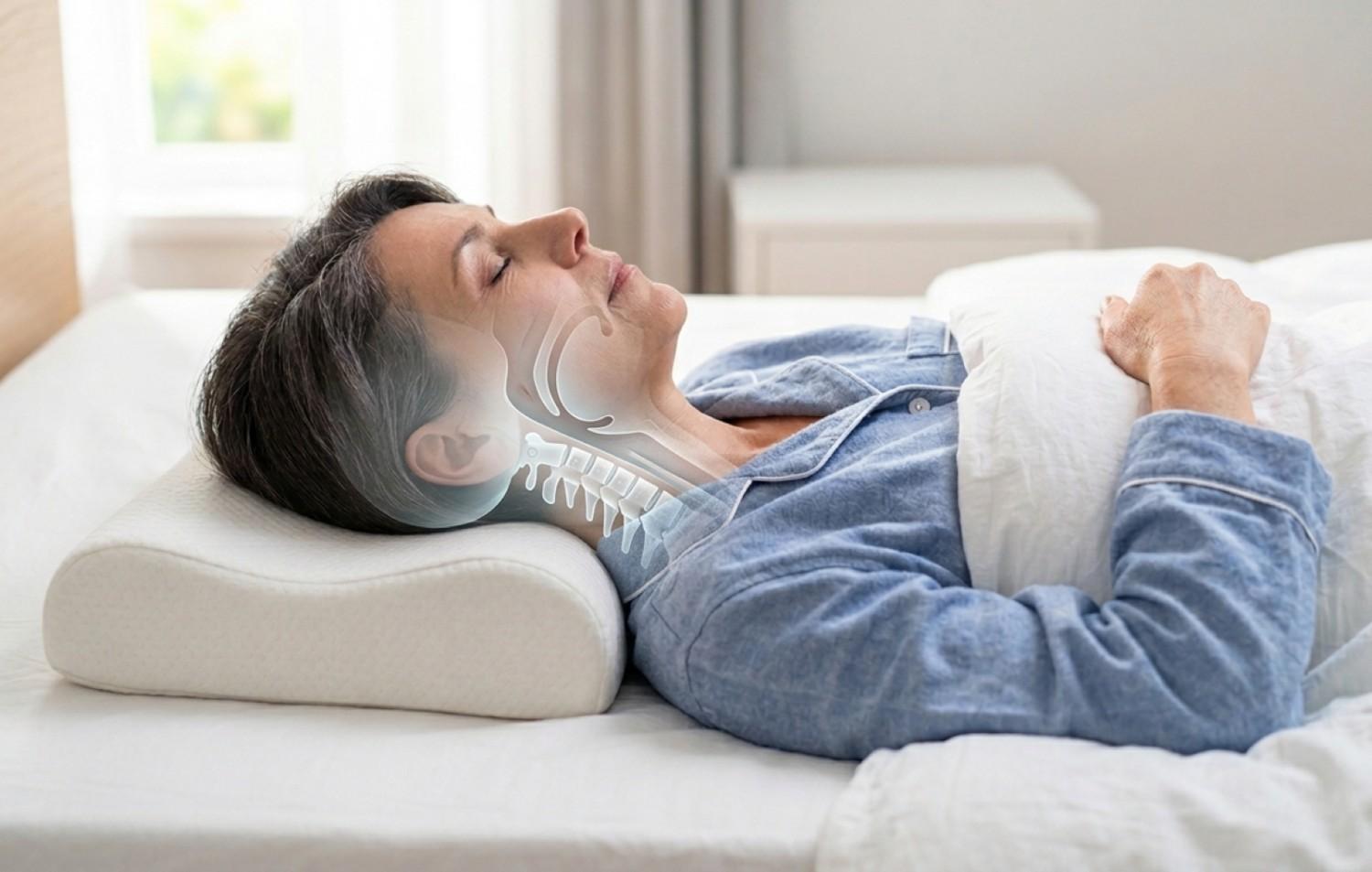
Sleeping on your stomach often increases upper back stiffness. Side or back sleeping with a supportive pillow that keeps your neck aligned can improve overnight recovery.

Stress, Breathing, and Upper Back Pain: The Overlooked Link

Stress causes muscles to tighten, especially in the shoulders and upper spine. Shallow breathing reinforces this tension.

A simple breathing exercise can help. Sit comfortably, inhale deeply through your nose, expand your rib cage, then slowly exhale through your mouth. Repeat for two to three minutes to help relax the upper back.

When Upper Back Pain Needs Medical Attention

Seek medical care if your pain doesn’t improve after a few weeks of home care. Pain accompanied by numbness, tingling, or weakness should be evaluated promptly. Any pain related to injury, trauma, or that worsens over time also needs professional assessment.

Finding Lasting Upper Back Pain Relief with Apex Interventional Pain & Spine

Upper back pain can be frustrating, but lasting relief is possible with the proper care. Small, consistent steps such as improving posture, staying active, stretching, and managing stress can make a meaningful difference over time.

Instead of relying on quick fixes, focus on habits that support long-term upper back health. When pain persists or begins to affect daily life, professional care is essential. At  Apex Interventional Pain & Spine, our team provides personalized treatment plans focused on lasting relief and improved function.

If your upper back pain isn’t improving,  contact us today to learn how we can help you feel better and move more comfortably.

FAQs

In some cases, digestive issues can cause referred pain in the upper back, but this is uncommon and should be medically evaluated if suspected.

Yes, dehydration can contribute to muscle tightness and cramps, including stiffness and discomfort in the upper back.

Occasional popping without pain is usually harmless. Persistent or painful cracking should be evaluated by a medical professional.

If upper back pain lasts longer than two to three weeks, worsens over time, or limits daily activities, medical evaluation is recommended.

While uncommon, upper back pain with chest pain, shortness of breath, dizziness, or nausea requires immediate medical attention.
How to Relieve Upper Back Pain Fast: Effective Strategies That Work?How to Relieve Upper Back Pain Fast: Effective Strategies That Work?
How to Relieve Upper Back Pain Fast: Effective Strategies That Work?
How Cold Weather Can Cause Pain in Your Joints & Spine?How Cold Weather Can Cause Pain in Your Joints & Spine?
How Cold Weather Can Cause Pain in Your Joints & Spine?
Can Constipation Cause Lower Back Pain?Can Constipation Cause Lower Back Pain?
Can Constipation Cause Lower Back Pain?
How Effective Are Caudal Epidural Steroid Injections for Back Pain?How Effective Are Caudal Epidural Steroid Injections for Back Pain?
How Effective Are Caudal Epidural Steroid Injections for Back Pain?
5 Genetic Factors That Can Contribute to Lower Back Pain5 Genetic Factors That Can Contribute to Lower Back Pain
5 Genetic Factors That Can Contribute to Lower Back Pain
Book Now Call Us

Color Contrast

Bigger Text

Text Align