loader

From the Gym to the Doctor's Office: Why Exercise-Induced Tailbone Pain Could Be Coccydynia

May 22, 2026

Coccydynia Treatment

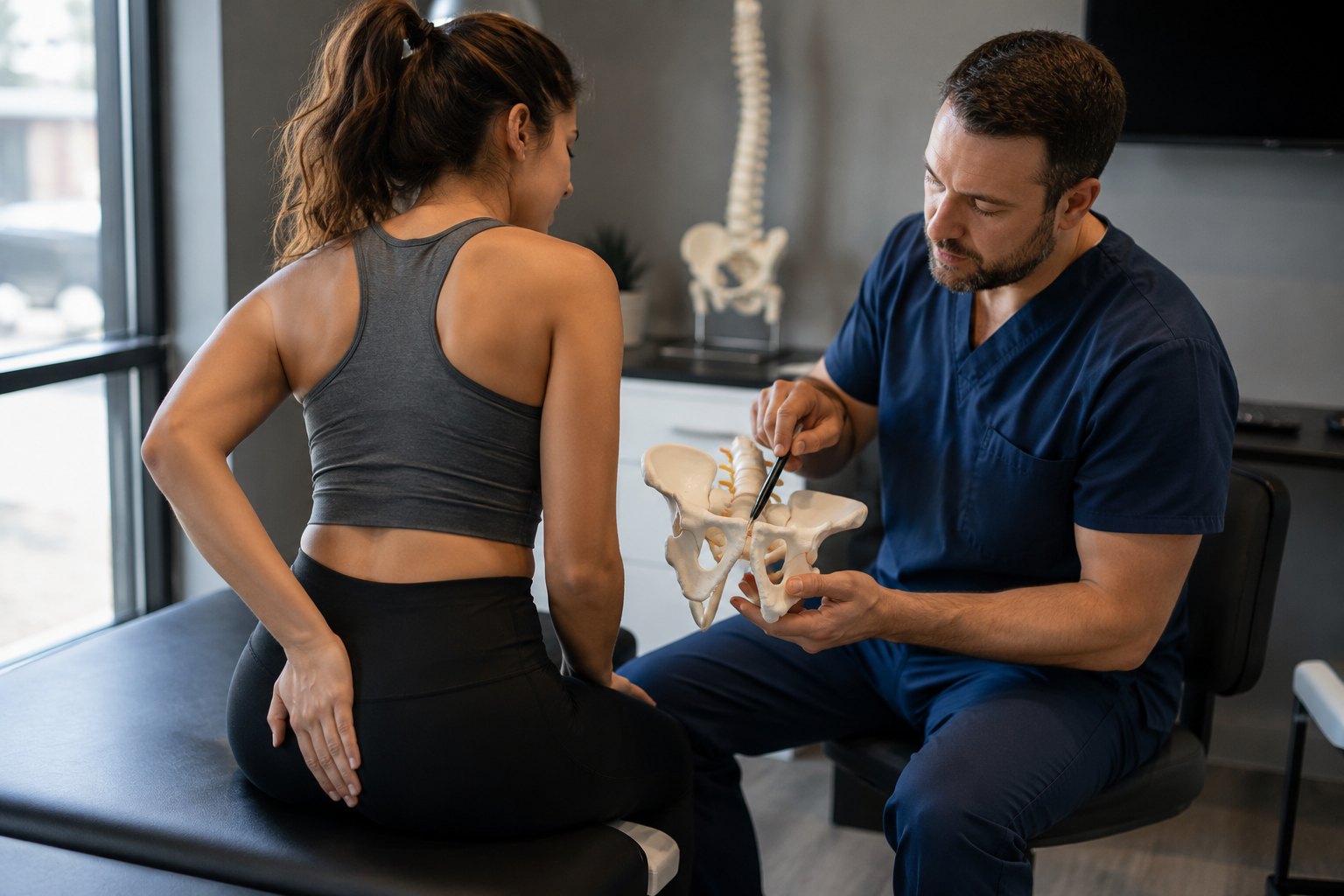
Pain specialist discussing coccydynia treatment options at Apex Interventional Pain & SpinePain specialist discussing coccydynia treatment options at Apex Interventional Pain & Spine

You lace up your shoes, push through a tough workout, and expect the usual post-exercise soreness, maybe tight hamstrings or sore shoulders. But when the pain shows up at the very base of your spine and refuses to go away, something more may be going on. Persistent tailbone pain after workouts is easy to brush off as a minor strain, but in many cases, it points to a condition called coccydynia.

Understanding the difference between ordinary muscle fatigue and a genuine tailbone injury could save you weeks, or even months, of unnecessary discomfort. This blog covers everything you need to know: what coccydynia is, coccydynia treatment options, how exercise triggers it, what symptoms to watch for, and when it's time to see a specialist.

What Is Coccydynia?

Coccydynia is the medical term for pain localized to the coccyx, the small, triangular bone at the very bottom of your spine, commonly known as the tailbone. While it may seem like a minor structure, the coccyx plays an important role in supporting posture, distributing weight when seated, and anchoring several muscles and ligaments involved in movement.

The pain associated with coccydynia can range from a dull, nagging ache to sharp, debilitating discomfort that interferes with everyday activities like sitting, standing, or exercising. Athletes and physically active individuals are especially susceptible, given the repetitive mechanical stress their bodies endure.

How Exercise Can Trigger Tailbone Pain

Not all tailbone injuries happen from a single dramatic fall. Many develop gradually through patterns that are easy to overlook:

High-Impact Activities

Running, jumping, cycling, rowing, and HIIT workouts place repetitive stress on the tailbone over time. Even low-grade, recurring impact can aggravate the coccyx and surrounding tissues.

Poor Exercise Form

Improper posture during squats, sit-ups, or weightlifting can strain the lower spine and coccyx. When the pelvis is misaligned or the core is insufficiently engaged, excess load is transferred to vulnerable structures at the base of the spine.

Direct Trauma During Workouts

  • Falls during contact sports, gym accidents, or hard landings (whether from a box jump or a slip on a wet floor) can directly injure the coccyx, resulting in bruising, displacement, or even fracture.

Prolonged Pressure

  • Activities like cycling or rowing involve sustained pressure on the tailbone area. Over long sessions, this constant compression can cause inflammation and irritation that builds into a chronic tailbone injury.

Common Symptoms of Exercise-Induced Coccydynia

Recognizing coccydynia early makes a significant difference in recovery. Watch for the following:

  • Localized pain at the very bottom of the spine
  • Pain that worsens while sitting or leaning back in a chair
  • Discomfort during transitions from sitting to standing
  • Pain during exercise, especially stretching or core movements
  • Tenderness or bruising around the tailbone area

It's important to note that symptoms may gradually worsen if left untreated, making early attention essential.

When Tailbone Pain Is More Than Post-Workout Soreness

Signs You Shouldn't Ignore

There's a clear difference between normal post-exercise soreness and a developing problem. Take your symptoms seriously if you notice:

  • Pain that persists for more than a few weeks
  • Difficulty sitting comfortably on firm surfaces
  • Sharp or stabbing pain during movement
  • Pain that is limiting your workouts or disrupting daily activities

Why Early Evaluation Matters

Ignoring these signs can lead to chronic inflammation and persistent pain that becomes much harder to treat. Early diagnosis, on the other hand, allows providers to intervene before the condition worsens,  supporting a faster, more complete recovery and reducing the risk of long-term complications.

How Coccydynia Is Diagnosed

Medical History and Physical Examination

  • Your provider will evaluate your symptoms, activity level, and any recent injuries. A detailed history helps distinguish coccydynia from other potential causes of lower back or pelvic pain.

Imaging Tests

  • X-rays or MRI scans may be ordered to identify fractures, structural changes, or signs of inflammation around the coccyx.

Ruling Out Other Conditions

  • Coccydynia shares symptoms with several other conditions. Providers will work to differentiate it from sciatica, lumbar muscle strain, herniated discs, and pelvic floor disorders before confirming a diagnosis.

Treatment Options for Tailbone Pain

Conservative Treatments

Most cases of coccydynia respond well to non-invasive measures:

  • Rest and temporary modification of aggravating activities
  • Ice application and over-the-counter anti-inflammatory medications
  • Use of cushioned seating or a donut-shaped pillow to relieve pressure
  • Physical therapy focused on posture correction and pelvic stabilization

Advanced Non-Surgical Treatments

When conservative care isn't enough, more targeted interventions are available:

  • Tailbone injections to deliver pain relief directly to the affected area
  • Nerve blocks to interrupt pain signaling around the coccyx
  • Regenerative medicine therapies, which may support healing at a cellular level

Surgical Treatment

Surgery is rarely necessary but may be considered for severe, chronic cases that have not responded to other treatments. Your provider will discuss whether this option is appropriate based on your specific situation.

Tips to Prevent Exercise-Related Tailbone Pain

Protecting your tailbone starts with smart training habits:

  • Always warm up properly before beginning any workout
  • Maintain correct form throughout exercises, especially compound movements like squats and deadlifts
  • Use appropriate protective gear during contact sports or high-fall-risk activities
  • Avoid prolonged sitting or pressure on hard surfaces between training sessions
  • Incorporate regular stretching and core strengthening exercises into your routine
  • Listen to your body. Persistent pain is a signal, not a challenge to push through

When to See a Specialist

If tailbone pain is lasting more than a few weeks, worsening with activity, or starting to affect your quality of life, it's time to seek a professional evaluation. A pain management or spine specialist can assess the root cause of your discomfort and develop a personalized treatment plan designed to get you back to the activities you love, safely and comfortably.

Return to Pain-Free Movement with Apex Interventional Pain & Spine 

Persistent tailbone pain is not always just post-workout soreness. When pain at the base of the spine begins to interfere with sitting, movement, exercise, or daily activities, it may be a sign of coccydynia, a condition that can worsen over time without proper care. Early evaluation and targeted treatment can help relieve pain, restore mobility, and prevent chronic discomfort.

At Apex Interventional Pain & Spine, our team focuses on identifying the underlying  cause of tailbone pain and creating personalized treatment plans designed to support long-term relief and recovery. If tailbone pain is limiting your workouts or affecting your quality of life, contact us today to schedule a consultation and explore your treatment options.

FAQs

Tailbone pain that worsens when sitting, standing, or exercising may be a sign of coccydynia or a tailbone injury.

Repetitive pressure, strain, or high-impact movements can irritate the tailbone and surrounding tissues.

Yes, but avoid exercises that increase pain and stick to low-impact activities when possible.

Mild cases may heal in a few weeks, while chronic pain can take months to improve.
From the Gym to the Doctor's Office: Why Exercise-Induced Tailbone Pain Could Be CoccydyniaFrom the Gym to the Doctor's Office: Why Exercise-Induced Tailbone Pain Could Be Coccydynia
From the Gym to the Doctor's Office: Why Exercise-Induced Tailbone Pain Could Be Coccydynia
Stellate Ganglion Block for Hot Flashes: Is One SGB Injection All It Takes for Lasting Relief?Stellate Ganglion Block for Hot Flashes: Is One SGB Injection All It Takes for Lasting Relief?
Stellate Ganglion Block for Hot Flashes: Is One SGB Injection All It Takes for Lasting Relief?
What Is Radiofrequency Ablation for Back Pain? How Long Does Relief Last?What Is Radiofrequency Ablation for Back Pain? How Long Does Relief Last?
What Is Radiofrequency Ablation for Back Pain? How Long Does Relief Last?
Why Does Lower Back Pain Get Worse After Sitting? Causes and Treatment OptionsWhy Does Lower Back Pain Get Worse After Sitting? Causes and Treatment Options
Why Does Lower Back Pain Get Worse After Sitting? Causes and Treatment Options
Can Cervical Degenerative Disc Disease Cause Sleep Apnea?Can Cervical Degenerative Disc Disease Cause Sleep Apnea?
Can Cervical Degenerative Disc Disease Cause Sleep Apnea?
Book Now Call Us

Color Contrast

Bigger Text

Text Align