New Address: 897 N MacArthur Blvd, Ste 110, Coppell, TX 75019
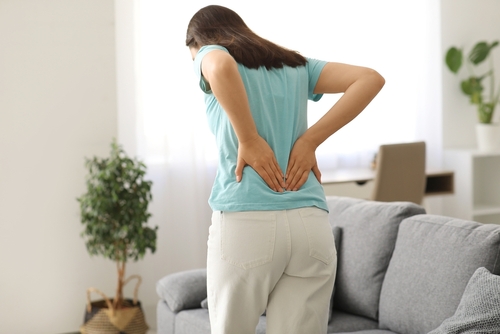
Have you ever dealt with pain in your lower back and wondered why it suddenly showed up, especially when you didn’t lift anything heavy or twist the wrong way? Lower back pain can come from many sources, but one cause people rarely think about is constipation. It may sound surprising, yet the digestive system and the lower back share space in the body. When one gets backed up, the other can start to hurt.
Lower back pain is one of the most common discomforts people experience, affecting daily movement, sleep, and overall comfort. While back problems often stem from muscle strain, poor posture, or long hours spent sitting, constipation can quietly add pressure to the lower spine and surrounding muscles. Knowing this connection helps you choose better ways to relieve back pain and prevent it from returning.
Constipation is when bowel movements slow down or become difficult. This may include:
Many factors can cause it, like low activity, limited water intake, certain foods, or age-related changes. While constipation itself isn’t the primary focus here, understanding how it affects the body explains why the lower back can be affected.
Although lower back pain usually stems from muscle or spine issues, constipation can worsen or even trigger it. Here’s how:
Straining puts extra pressure on the lower back muscles. Just as lifting something too heavy can strain muscles, repeated straining can tighten them and cause pain that lingers throughout the day.
When stool builds up in the intestines, it can enlarge the abdominal area. This added fullness can press backward toward the lower spine. The result may feel like:
In more severe cases, trapped stool and gas can increase abdominal pressure. This can irritate nerves that supply the lower back, causing pain that may spread to the hips or pelvis.
Constipation-related lower back pain often feels:
If the pain changes once digestion improves, it’s a strong sign the two are connected.
Lower back pain caused by constipation often appears with:
When back discomfort and digestive symptoms occur together, constipation may be the cause.
The best part is that many simple habits help with both back pain and constipation.
Better eating habits reduce pressure on the lower back by easing digestion. Try:
Keeping your body hydrated softens stool and reduces straining, which also eases tension in the lower back.
Movement keeps your spine supported and your digestion smooth. Good options include:
Even a short walk can improve the movement of lower back muscles and help relieve constipation.
If your lower back is already sore, consider:
These methods reduce discomfort as your digestion returns to normal.
If constipation does not improve, a healthcare provider may suggest:
If your lower back pain keeps returning, your provider may also check for common back problems, muscle strain, or other causes.
You should reach out to a healthcare professional if:
These symptoms may require timely medical care.
Lower back pain does not always come from lifting, twisting, or posture problems. In some cases, the discomfort begins inside the digestive system. Constipation can create pressure on the lower spine, tighten muscles, and irritate nearby nerves, leading to pain that can feel similar to other common back concerns. By supporting both digestion and back health, you can ease discomfort and prevent future flare-ups.
At Apex Interventional Pain & Spine, our team is here to help you understand the actual cause of your lower back pain and guide you toward long-term relief. If you’ve noticed lower back pain during digestive issues, feel free to share your experience or reach out with questions. Your story may help someone else recognize what their body is trying to tell them. For personalized care, advanced treatment options, or a consultation, contact us today.FAQs
Yes. Stress can tighten muscles and slow digestion, increasing the chance of both symptoms.Yes. Constant pressure in the abdomen can lead to ongoing lower back discomfort.Yes. Pregnancy slows digestion and increases pressure on the lower spine, which can worsen back pain.Walking, yoga stretches, pelvic tilts, and gentle core exercises can help improve muscle flexibility and digestion.Yes. Dehydration makes stools harder, increasing straining and worsening lower back pain.