New Address: 897 N MacArthur Blvd, Ste 110, Coppell, TX 75019

Cervical degenerative disc disease and sleep apnea are two conditions that affect millions of people, yet they are rarely discussed together. One involves gradual wear and tear of the neck, while the other disrupts breathing during sleep. At first glance, they may seem unrelated.
Many patients do not realize that problems in the cervical spine can influence airway function, especially during sleep. Neck alignment, disc degeneration, and surrounding tissue changes can all contribute to breathing mechanics at night.
Let’s explore whether cervical degenerative disc disease can cause sleep apnea, the symptoms to watch for, how both conditions are diagnosed, and what treatment options are available when they occur together.
Cervical degenerative disc disease refers to age-related changes in the discs of the cervical spine, which includes the vertebrae in the neck. Over time, these discs lose hydration and flexibility, reducing their ability to cushion the spine. While aging is the primary cause, poor posture, prior neck injuries, repetitive strain, and long-term mechanical stress can accelerate disc degeneration.
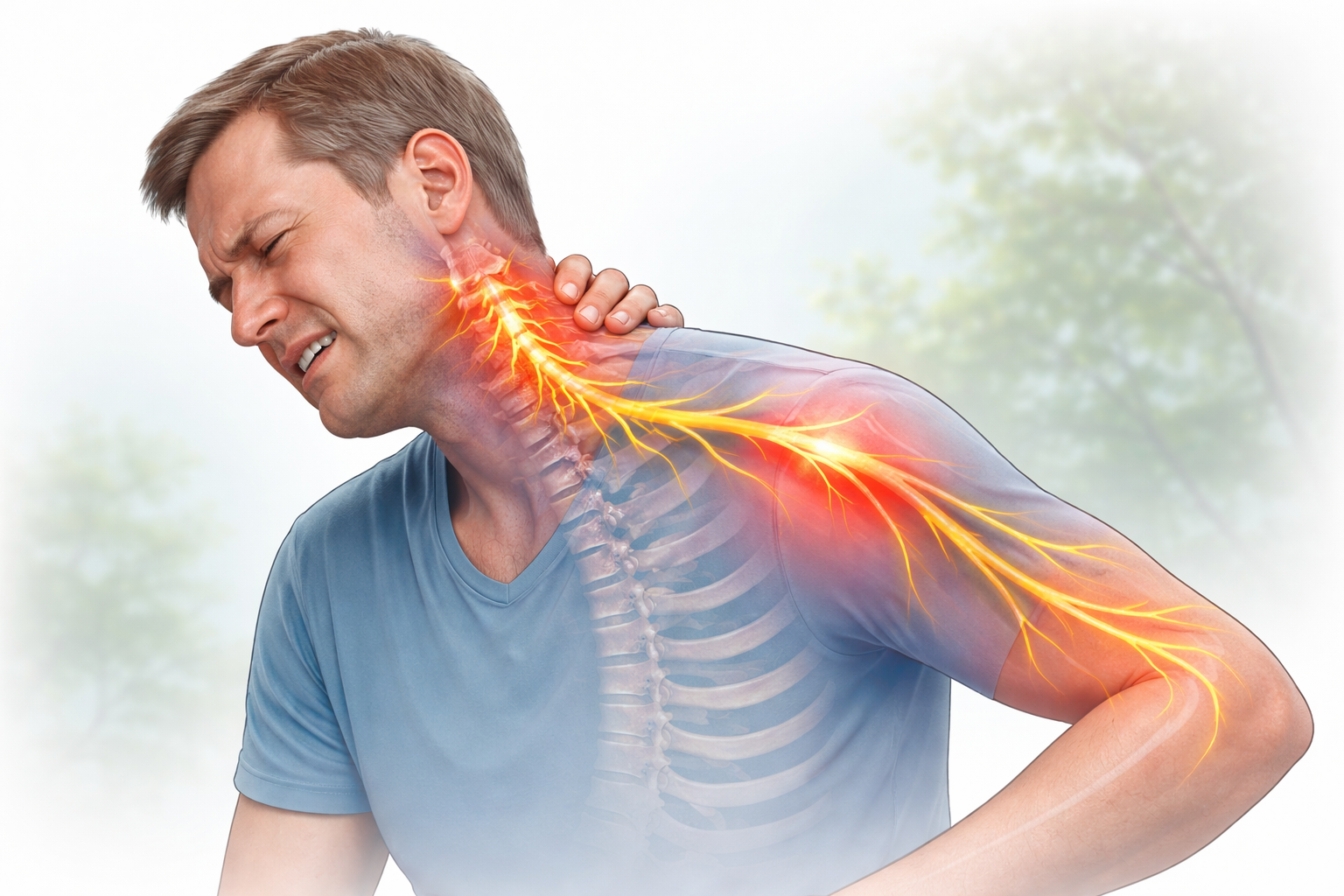
Symptoms vary depending on the severity of degeneration. Many people experience persistent neck pain and stiffness, especially with movement. Pain may radiate into the shoulders and arms due to nerve irritation. Reduced neck mobility, muscle tightness, and headaches are also present every day, particularly as the condition progresses.
Sleep apnea is a sleep-related breathing disorder characterized by repeated interruptions in breathing during sleep. These pauses reduce oxygen levels and disrupt regular sleep cycles. There are two main types. Obstructive sleep apnea occurs when the airway collapses or becomes blocked during sleep. Central sleep apnea occurs when the brain fails to send consistent signals to the muscles responsible for breathing.
The most noticeable common signs of sleep apnea is loud, chronic snoring, often accompanied by gasping or choking sounds during sleep. Many people experience excessive daytime fatigue, morning headaches, poor concentration, and irritability. Because symptoms occur during sleep, sleep apnea often goes undiagnosed for years.
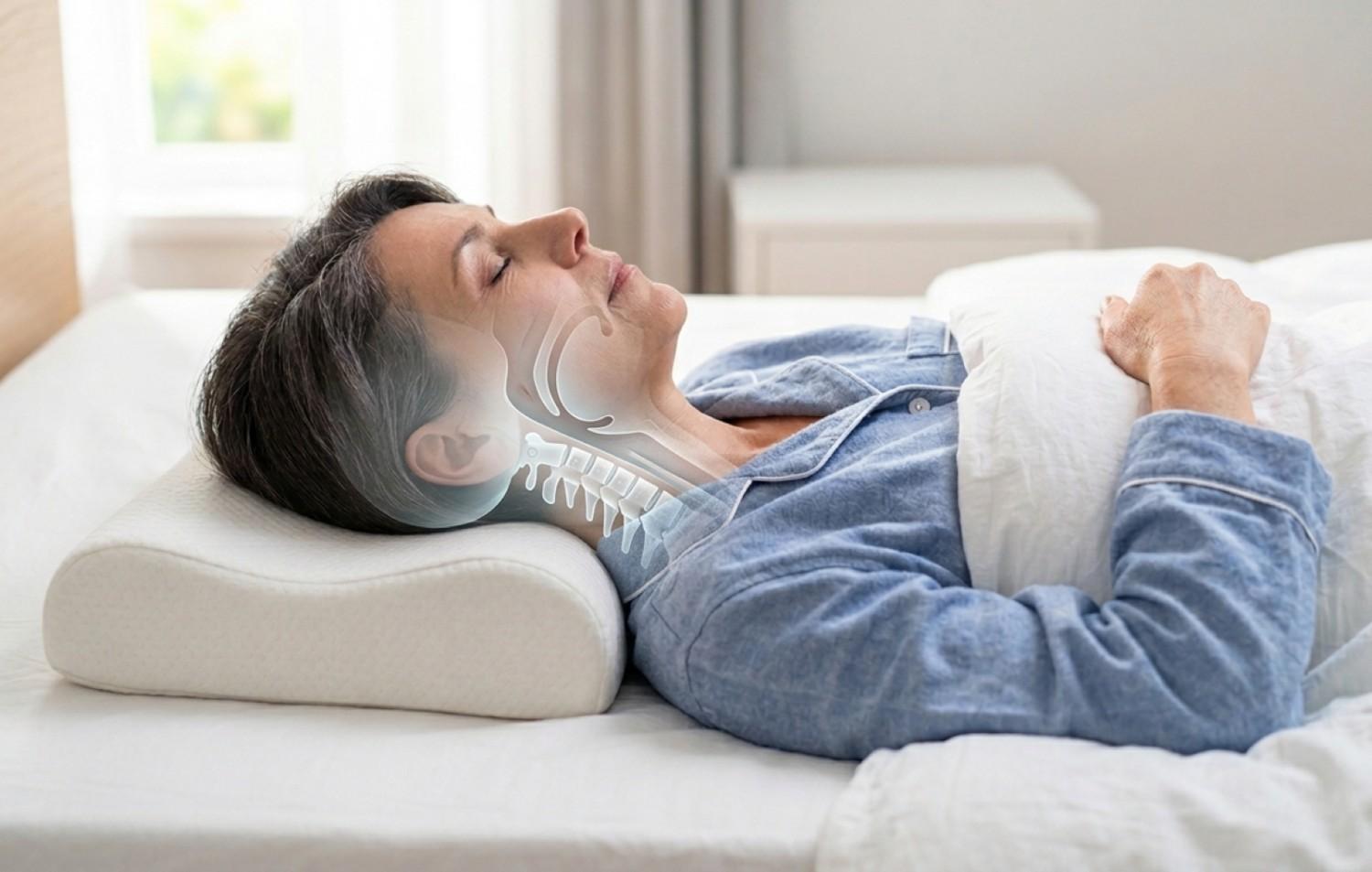
The cervical spine plays a vital role in maintaining proper head and neck alignment. This alignment directly affects the space available for the airway. Degenerated discs, bone spurs, and soft-tissue inflammation in the cervical region can alter neck posture and reduce airway space, increasing the risk of sleep-related obstruction.
When lying on the back, poor cervical alignment can allow the tongue and soft tissues to fall backward, contributing to airway collapse. In advanced cases of degeneration, instability, or reduced neuromuscular control of the neck muscles, neck instability may further compromise airway support, especially during deeper stages of sleep.
People with advanced cervical degenerative disc disease are more likely to experience structural changes that affect breathing. Risk increases in individuals with poor posture, a history of neck trauma, or prior whiplash injuries. Co-existing factors such as obesity, smoking, and reduced muscle tone can further increase the likelihood of sleep apnea.
Common nighttime warning signs include loud snoring, observed pauses in breathing, gasping for air, and frequent awakenings. Restless sleep and nighttime choking sensations should not be ignored, especially in individuals with chronic neck pain.
Daytime fatigue, difficulty concentrating, mood changes, and morning headaches are frequent signs of sleep apnea. When these symptoms overlap with neck pain, stiffness, or limited mobility, both conditions should be evaluated together rather than in isolation.
Diagnosis of cervical degenerative disc disease typically begins with a physical examination and medical history. Imaging studies such as X-rays or MRI scans help assess disc degeneration, alignment, and nerve involvement.
Sleep apnea is diagnosed through sleep studies, either in a sleep laboratory or using validated home sleep tests. These studies measure breathing patterns, oxygen levels, and sleep quality. Assessing both the cervical spine and sleep function is essential to ensure that contributing factors are not overlooked.
Conservative treatments are often the first step. These may include physical therapy, posture correction, targeted exercises, and anti-inflammatory medications. Pain management strategies and physiotherapy help reduce muscle tension and improve neck stability, which may positively influence sleep quality.
Continuous positive airway pressure therapy remains the standard sleep apnea treatment Oral appliances may be recommended for mild to moderate cases. Positional therapy and lifestyle changes, including weight management and smoking cessation, also play an essential role.
Treating cervical spine problems alone may not fully resolve sleep apnea. Likewise, managing sleep apnea without addressing neck issues may limit overall improvement. A coordinated, multidisciplinary approach involving spine specialists and sleep medicine providers offers the best outcomes.
Clinical observations suggest that improving cervical alignment, reducing inflammation, and enhancing muscle support can improve breathing mechanics during sleep for some patients.
However, results vary, and cervical spine treatment should be viewed as supportive rather than a standalone cure for sleep apnea. Realistic expectations are essential.
Optimal sleeping positions that support both the neck and airway can reduce symptoms. Side sleeping is often recommended over sleeping on the back.
Supportive pillows that maintain neutral neck alignment and mattresses that reduce pressure points can be beneficial. Improving posture during the day and optimizing workstation ergonomics also helps reduce cervical strain.
Immediate medical attention is warranted for severe snoring, witnessed breathing pauses, unexplained daytime sleepiness, or worsening neurological symptoms such as arm weakness or numbness.
Early evaluation by spine and sleep specialists allows for accurate diagnosis and timely treatment before complications develop.
Cervical degenerative disc disease and sleep apnea may be connected through changes in neck alignment, disc health, and surrounding soft tissues that affect airway stability during sleep.
At Apex Interventional Pain & Spine, our team focuses on identifying and treating both spinal and sleep-related factors to help improve symptoms and overall quality of life. Early evaluation and a coordinated treatment approach can make a meaningful difference.
If chronic neck pain is accompanied by snoring, poor sleep, or daytime fatigue, contact us today to schedule a consultation and explore personalized treatment options.FAQs
It can be. Chronic neck pain may reflect structural or postural issues that also affect airway alignment during sleep.Inflammation can reduce soft tissue space and alter neck posture, potentially increasing the risk of airway narrowing.Yes. Muscle tightness can affect head and neck positioning, potentially compromising airway support during sleep.Severe instability can influence breathing mechanics and may contribute to reduced oxygen levels in some individuals.Yes. Trauma can alter cervical alignment and muscle function, which may worsen or reveal sleep-related breathing issues.